Tasmania
Tucked beneath mainland Australia, the island state of Tasmania feels a world away. Rugged coastlines, ancient forests, wild mountain peaks, and famously clean air give much of the island a sense of remoteness that has become one of its great draws.
Tasmania is best experienced without rushing from sight to sight. It truly comes alive when visitors slow down, breathe deeper, and give time to the landscapes that feel largely untouched.
There is never a bad time to visit; just different experiences on offer throughout the year.
A Brief History
Tasmania’s human history stretches back thousands of years, shaped first by the Palawa people, the Aboriginal inhabitants of the island. Their deep cultural connection to the land, sea, and sky continues to this day, despite the immense disruption that followed European arrival.
In 1803, British settlers established a colony at what is now Hobart, initially as a penal settlement. Over the following decades, Tasmania became defined by its convict era, with sites such as Port Arthur among the most significant remnants of Australia’s colonial history.
By the late 19th and early 20th centuries, Tasmania evolved into a quieter agricultural and resource-based economy. Today, it is known for conservation, wilderness tourism, food production, and a growing reputation for creative culture and design.
Climate, Weather and Wind
Tasmania has a cool-temperate climate, distinct from mainland Australia. Its weather is famously changeable and can shift quickly throughout the day. Summer brings warm days suited to outdoor adventures and local festivals. Winter brings cool, crisp air, snow-capped mountains, and long evenings best spent by the fire with good food and a glass of Tasmanian wine or whisky.
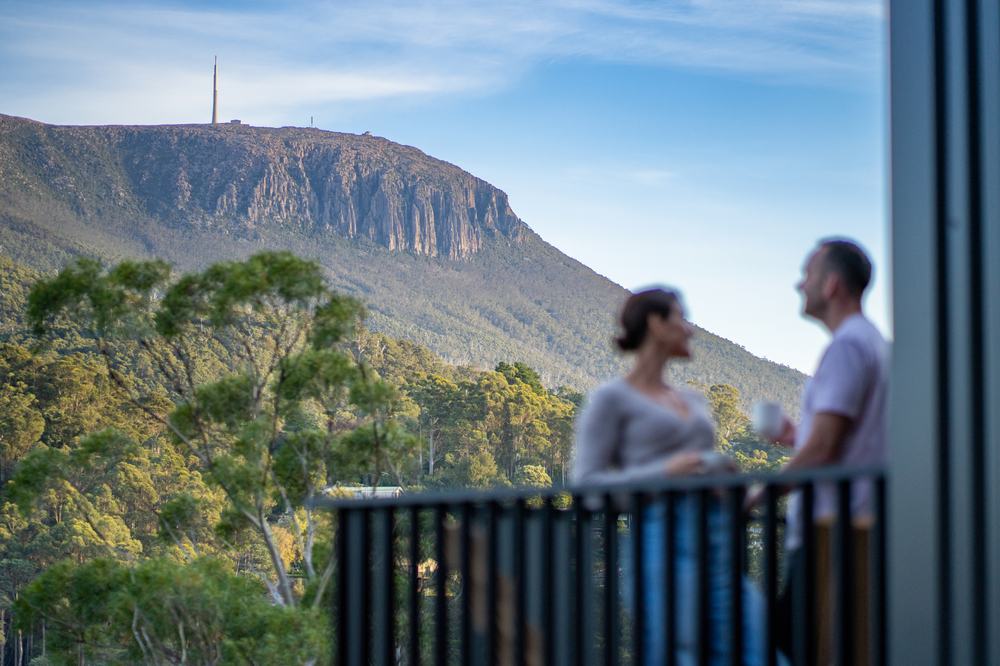
Summer temperatures in Hobart typically range between 18 and 25 degrees, with extended daylight hours and generally mild evenings. Winter days are cooler, usually sitting between 5 and 15 degrees, with overnight temperatures falling to low single digits. Fern Tree runs several degrees cooler than Hobart year-round due to its elevation beneath kunanyi / Mount Wellington.
Windy days are common, particularly during winter and spring, though they are often followed by remarkably still conditions. The Southern Ocean heavily influences weather across the island, shaping temperatures and occasionally bringing snow to elevated areas. On kunanyi / Mount Wellington, wind and cloud can move quickly, changing conditions throughout the day.
It is all part of what gives Tasmania’s landscape its character — dynamic rather than still. Cold air and wind are not things to avoid, but elements that help define the atmosphere: movement in the air, texture in the silence, and a reminder that the island is always in conversation with its environment.
Landscapes
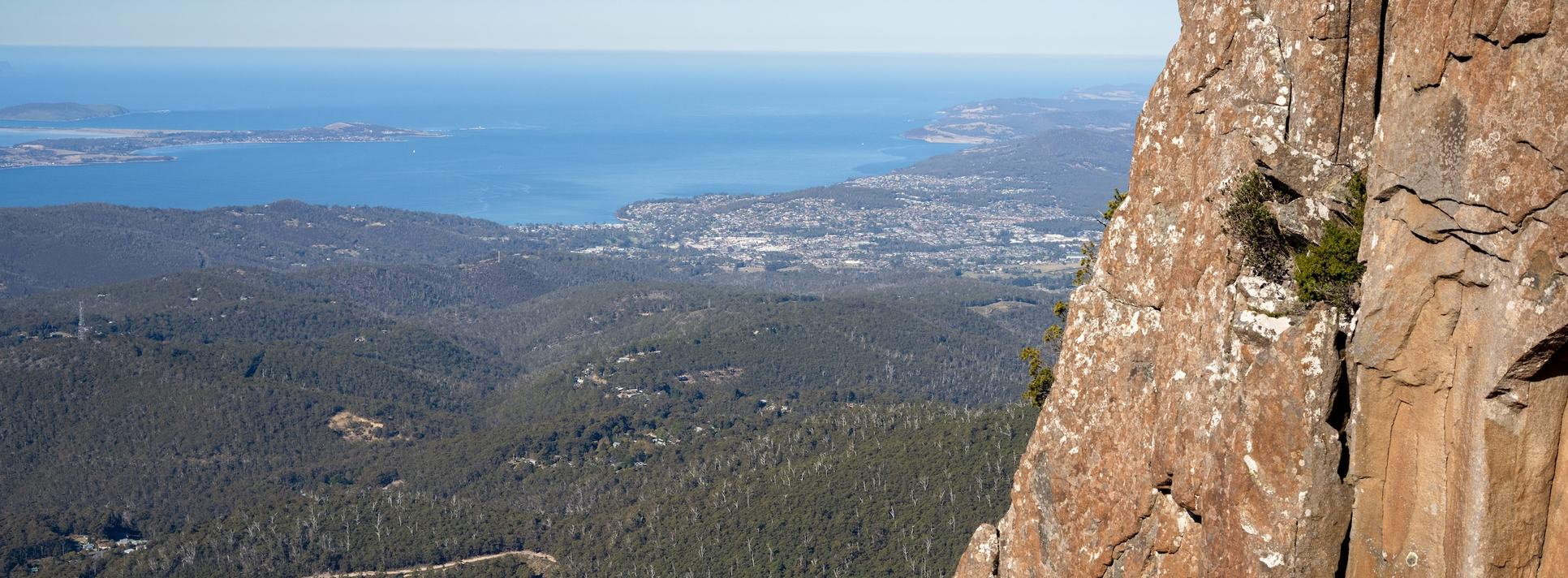
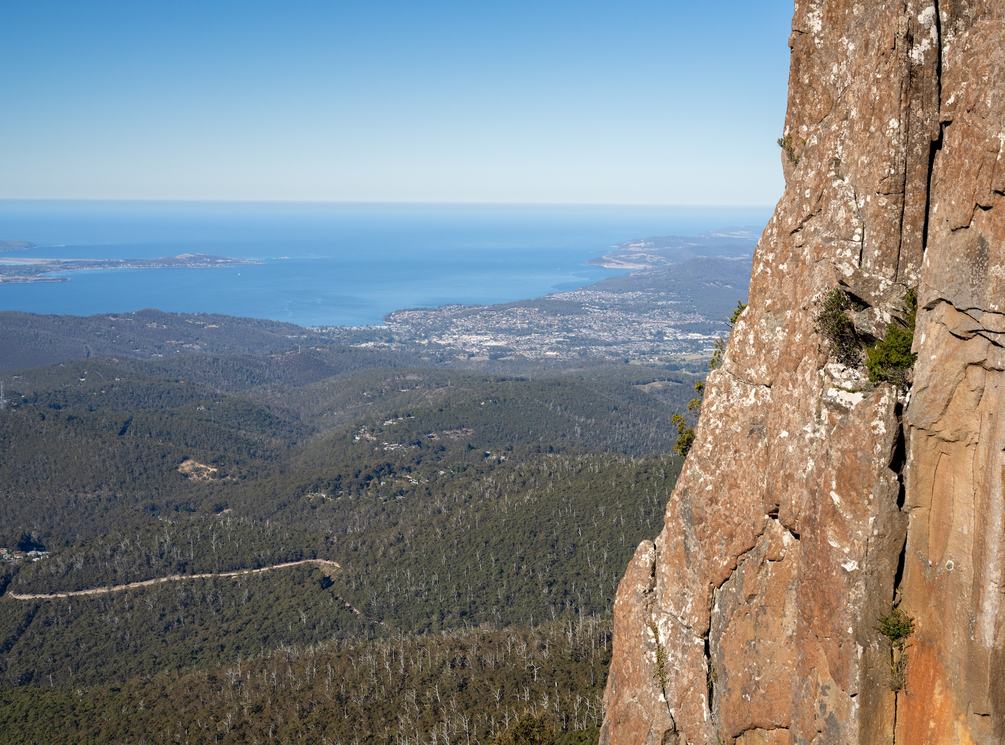
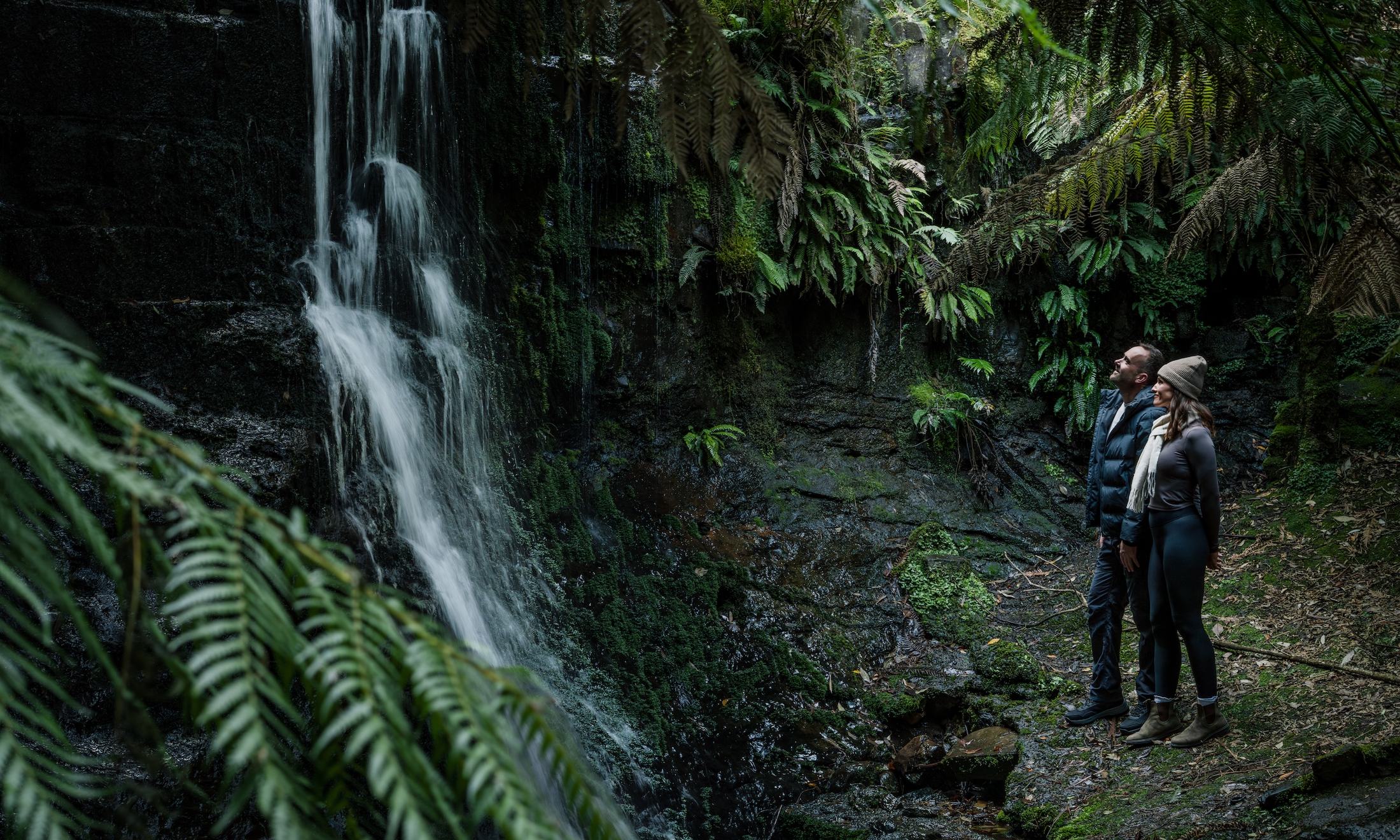
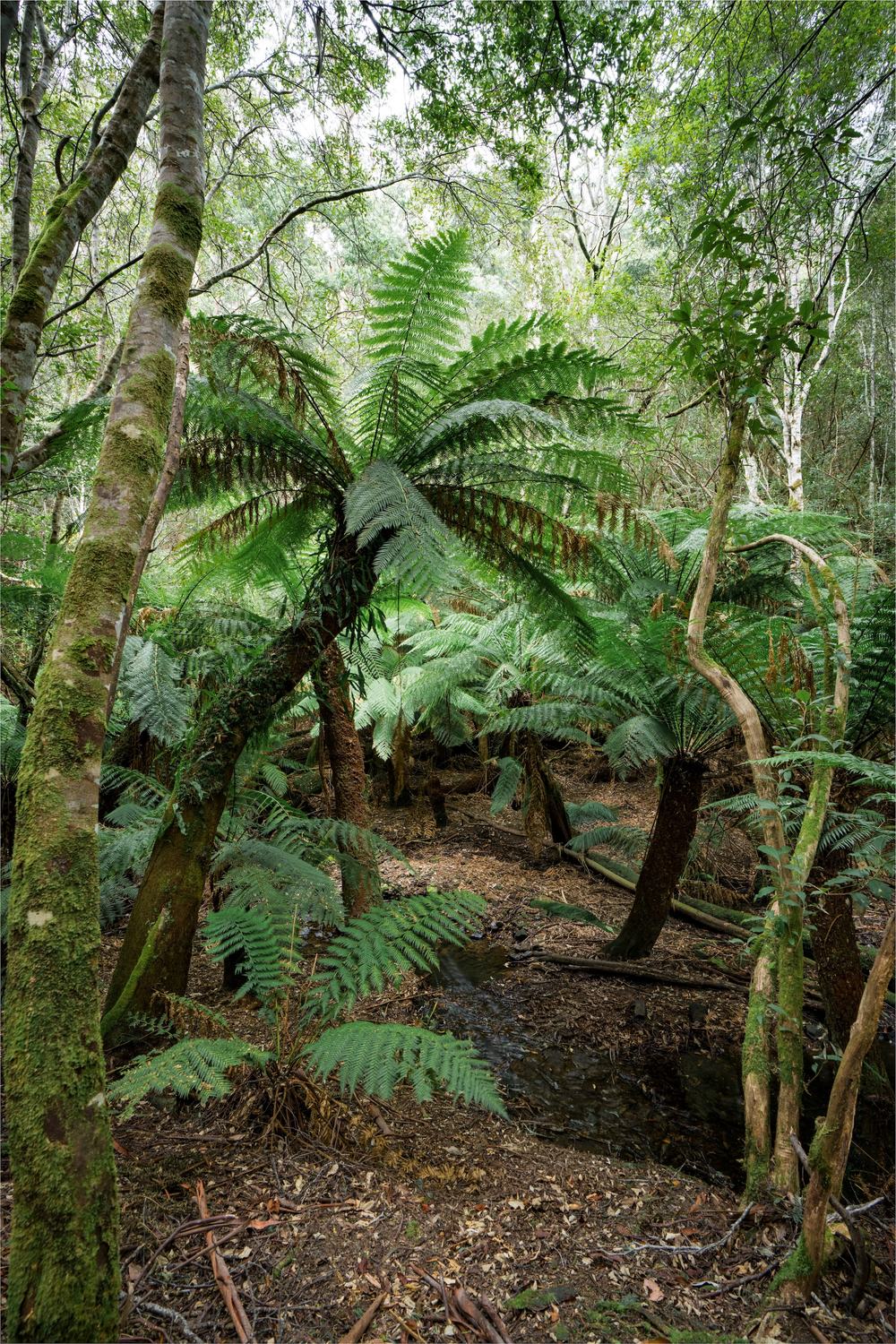
Tasmania is a small state, yet it holds an extraordinary diversity of landscapes often within an hour of each other. In southern Tasmania in particular, it is possible to move from beaches to bushland, parklands to mountains, and farmland to the city, all in the same day (though we don’t recommend trying to rush and squeeze it all in).
This closeness of contrast is part of what makes the island so distinctive. Rather than vast distances between experiences, Tasmania offers a sense of compression. Landscapes are layered closely together, each with its own character, yet all part of the same small island. It creates a feeling of travel that is less about distance and more about shifting atmosphere.
Food & Produce
Tasmania is known for high-quality, small-scale food production shaped by clean air, cool climate, and rich coastal waters. Wines, seafood, artisan cheese, orchard fruit, and a growing number of distilleries are central to the experience. Food culture here is seasonal and closely tied to land and sea, with menus and produce shifting naturally through the year.
In warmer months, berries, stone fruit, fresh greens, and coastal dining are at their peak, alongside long lunches in vineyards and on the water. Autumn brings apples, mushrooms, and richer, slower dishes as the landscape turns. Winter is defined by oysters, scallop pies, slow-cooked meals and cellar doors built around cool-climate wines and whisky. Spring moves back toward freshness — herbs, early fruit, lighter plates, and crisp coastal produce.
Across the year, Tasmania’s wine, whisky, and gin reflect the same conditions that shape the island itself: cool, pure, and expressive. Pinot Noir, Chardonnay and aromatic whites thrive here, while single malt whisky and small-batch gin draw on pure water and local botanicals.
Dining is rarely rushed. It tends to reflect the rhythm of the island: seasonal, grounded, and closely connected to place.

Wildlife
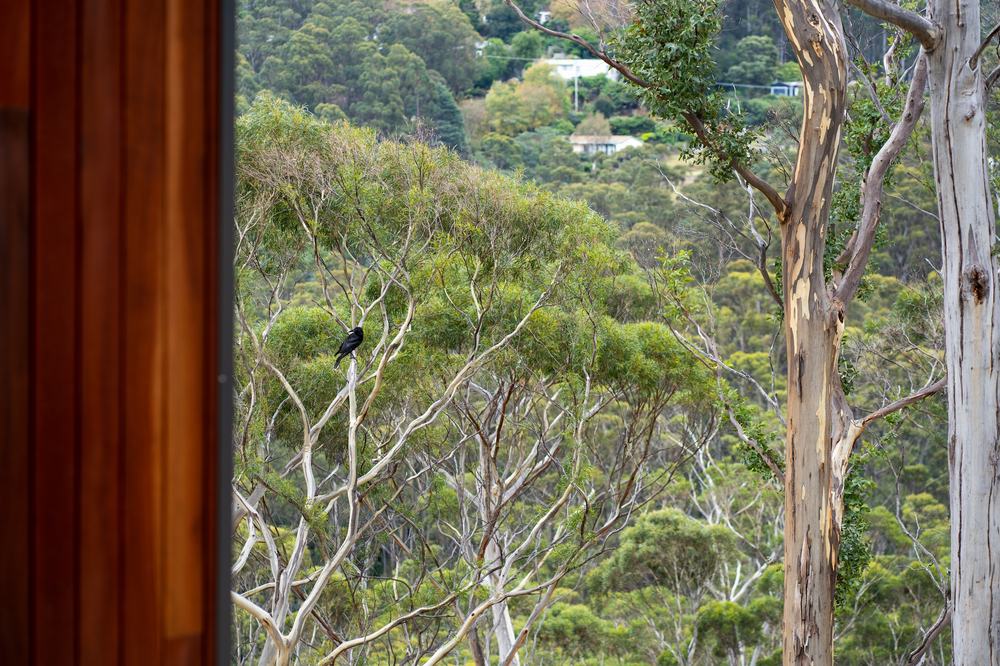
Wildlife is often present in quiet moments, particularly at dawn and dusk. Wallabies, pademelons, echidnas, and a range of native birds are the most commonly encountered, moving through bushland and open spaces in their own rhythm.
More elusive and nocturnal species such as the Tasmanian devil and quoll can be difficult to spot in the wild. For those hoping to observe them, accredited wildlife sanctuaries offer the most meaningful and reliable encounters.
In Tasmania, wildlife is not performed or staged. It exists as part of the landscape itself: encountered rather than arranged, and most often appearing when the land is at its quietest.
For more information, visit Discover Tasmania: https://www.discovertasmania.com.au/planning/information-services/